Unit 2: Unemployment
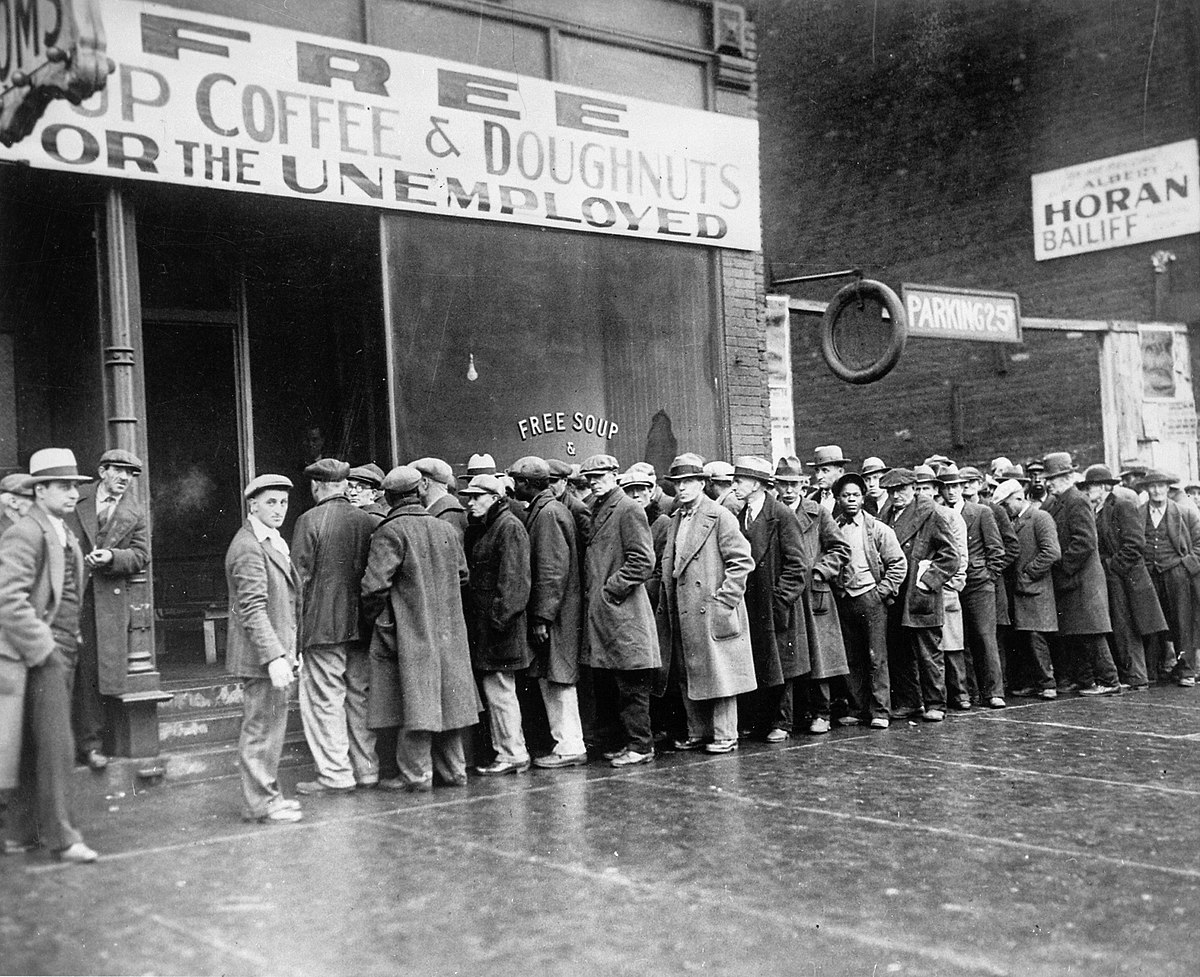
Unemployment: failure to use available resources, particularly labor, to produce desired goods and services.
Labor Force: number of people in a country that are classified as employed or unemployed
Employed: people who are 16 years of age or older who have a job; must work at least hour every two weeks; does not matter if it is full time or part-time
Unemployed: people who are 16 years of age or older who do not have a job but they have actively searched for a job in the last two weeks
Not in the Labor Force:
- kids
- full-time students
- retirees
- the disabled
- the mentally institutionalized
- the incarcerated
- the military
- homemakers
- discouraged workers
How to Calculate Unemployment Rate:
- (number of unemployed/number of unemployed + number of employed) x 100
4 Types of Unemployment
- Frictional Unemployment: people are temporarily unemployed or in between jobs; these individuals are qualified workers with transferable skills (people that have a high school or college degree, could be looking for a better opportunity)
- Seasonal Unemployment: where one works a certain time of the year (lifeguards, construction workers, school bus drivers, mall santas, easter bunny)
- Structural Unemployment: changes in the structure of the labor force make some skills obsolete; workers do not have transferable skills
- Cyclical Unemployment: unemployment that results from economic downturns in the economy; as demand for goods and services falls, demand for labor falls and workers are laid off (recession)
Full Employment: (4-5 % Unemployment Rate)
- there is no cyclical unemployment
Natural Rate of Unemployment (NRU): frictional + structural unemployment = NRU
Okun's Law: for every one percent by which the actual unemployment rate exceeds the natural rate of unemployment, real GDP will fall by 2%
Rule of 70: the number of years it takes for GDP to double
- ex: if the annual inflation rate is 2 %, how many years will it take for GDP to double? (70/2 = 35 years).


Comments
Post a Comment